

There are enough things to do in Raja Ampat to fill several weeks, but the archipelago rewards selection more than speed. A viewpoint reached after a long boat journey, a pre-dawn wildlife walk and an afternoon over the reef all ask something different of your day, so trying to collect every attraction can quickly turn a remote journey into a sequence of transfers.
A better first trip balances the water with limestone landscapes, village life and time in the forest. The eight experiences below reveal different sides of Raja Ampat, with practical context on physical effort, access and the trade-offs worth considering before each one earns a place in your itinerary.
Which Things to Do in Raja Ampat Should You Prioritise?
Among the many Raja Ampat activities, these are the experiences that offer the clearest contrast on a first journey.
| If You Want… | Start With | Main Consideration |
| The classic karst panorama | Piaynemo | A substantial staircase to the main viewpoint |
| Accessible marine life | Mansuar & Arborek snorkeling | Tide, current and swimming ability still matter |
| A serious underwater experience | Dampier Strait diving | Best for appropriately certified divers |
| Karst scenery without a major climb | Kabui Bay | Requires a boat-led excursion |
| Cultural context | Arborek Village | Give the visit time beyond taking photographs |
| Terrestrial wildlife | Bird-of-paradise watching | Very early start and forest walking |
| Slower exploration on the water | Kayaking | Wind and route conditions matter |
| A tidal sandbank | Pasir Timbul | Only appears when the tide allows |
8 Experiences We Would Make Time For
1. Climb to Piaynemo and Continue to Telaga Bintang
- Location: Fam Islands area, Raja Ampat
- Best for: First-time visitors, couples, photographers and active families
- Physical effort: Piaynemo involves 325 wooden steps to the main viewpoint; Telaga Bintang adds rougher rocky footing.
- Time to allow: Treat the wider Piaynemo excursion as a substantial part of the day.
- How you reach it: Travel by boat to Piaynemo, walk from the jetty to the viewpoint, then continue through the area towards Telaga Bintang.
- Main trade-off: The landscapes justify the journey, but reaching them requires meaningful boat time.
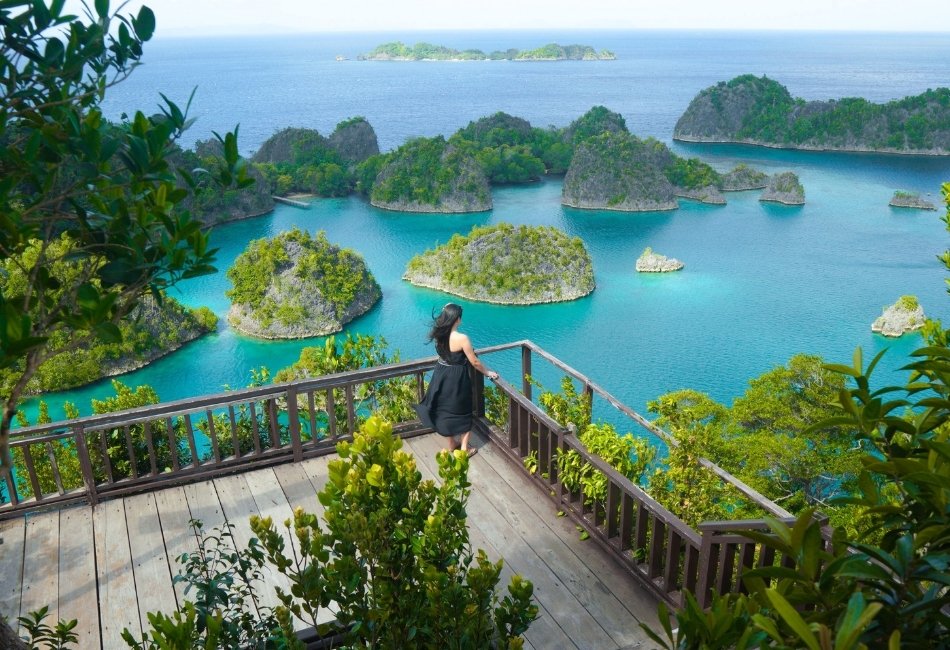
Piaynemo is one of the places to visit in Raja Ampat that earns its reputation almost immediately from the viewpoint. Forested limestone islets break through clear blue-green water in every direction, giving you the broad panorama most travellers associate with the archipelago.
The climb is structured rather than technical, but 325 steps are still worth taking seriously in tropical heat. Telaga Bintang adds a different perspective nearby, with rougher footing and a more enclosed lagoon view, so combining both in one excursion gives the journey more substance than travelling this far for Piaynemo alone.
2. Snorkel the Shallow Reefs Around Mansuar and Arborek
- Location: Mansuar Island and the Arborek Island
- Best for: Non-divers, couples, families and mixed-ability groups
- Physical effort: Low to moderate depending on current; swimmers should still be comfortable in open seawater.
- Time to allow: One or two relaxed sessions rather than repeated short entries.
- How you reach it: Enter from a suitable house reef or travel by small boat to shallow reefs around Mansuar and Arborek.
- Main trade-off: Site choice needs to follow current and swimming ability rather than reputation.
Around Mansuar and Arborek, coral begins close enough to the surface that snorkelling does not feel like a substitute for diving. Shallow reef structures, schooling fish and changing patches of coral can keep a session interesting without requiring you to spend the entire morning in deeper water.
The quieter reefs are particularly valuable at the beginning of a trip. They give less experienced swimmers time to settle into open water, while stronger swimmers can still explore longer stretches of reef rather than being hurried from one named site to another.
3. Dive the Dampier Strait
- Location: Between Waigeo, Gam, Kri and Mansuar
- Best for: Certified divers and travellers making marine life a central reason for visiting Raja Ampat
- Physical effort: Diving ability and comfort in current matter more than general fitness.
- Time to allow: Several dives across more than one day if diving is a major priority.
- How you reach it: Depart by dive boat from a resort or tender from a yacht to sites selected according to tide, current and experience.
- Main trade-off: Some celebrated sites also carry strong current, so famous does not always mean appropriate.
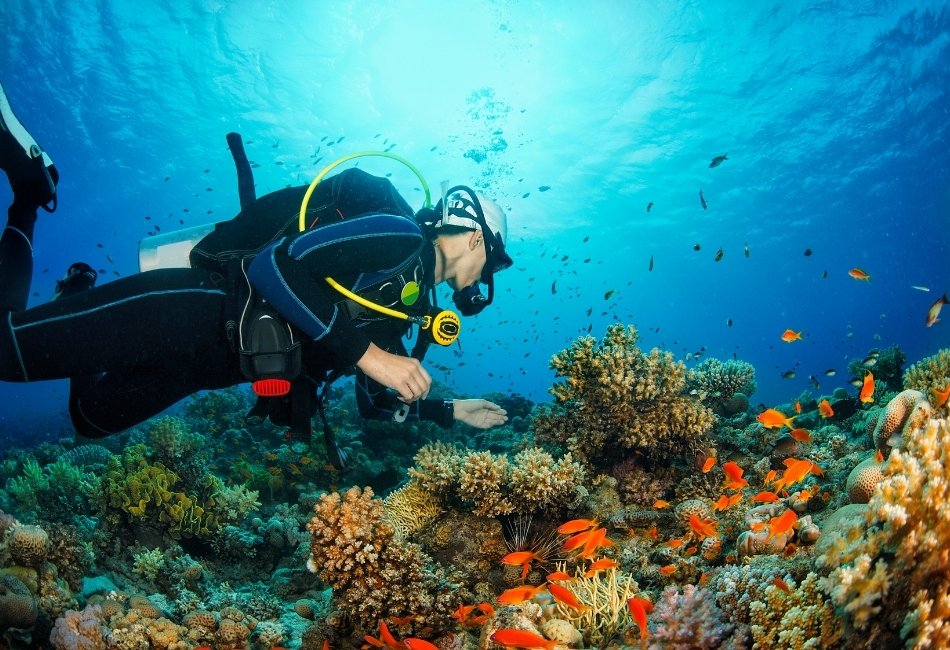
For certified divers considering what to do in Raja Ampat, the Dampier Strait deserves more than a single token dive. Reefs, slopes and channels create different underwater environments across a relatively concentrated marine area, while current brings a constant sense of movement to the experience.
That same current is the reason site selection matters. Cape Kri may be well known, but conditions on the morning should carry more weight than the reputation of the name; a skilled local dive team can move the programme to a reef that better suits the group rather than treating the original plan as fixed.
4. Cruise Through Kabui Bay and Batu Pensil
- Location: Between Waigeo and Gam
- Best for: Non-divers, photographers, couples and travellers wanting a landscape-led day
- Physical effort: Low; most of the experience takes place from the boat.
- Time to allow: A substantial excursion rather than a short stop between marine sessions.
- How you reach it: Travel by boat into Kabui Bay and continue between the limestone islands towards Batu Pensil.
- Main trade-off: It is a boat-heavy day, so wind and sea conditions affect comfort.
Kabui Bay shifts your attention completely above the waterline. The boat moves through clusters of limestone, narrow passages and quiet stretches of water before reaching Batu Pensil, the tall rock formation that rises almost vertically from the bay.
There is little reason to overload this day with another major activity. Much of the pleasure comes from moving slowly through the karst landscape, and Pasir Timbul can sometimes be added naturally when the tide exposes the nearby sandbank.
5. Spend Time in Arborek Village
- Location: Arborek Island, Meos Mansar
- Best for: Travellers interested in local community life and adding cultural context to a marine journey
- Physical effort: Light walking around the small island.
- Time to allow: A short but unhurried visit, normally combined with another nearby experience.
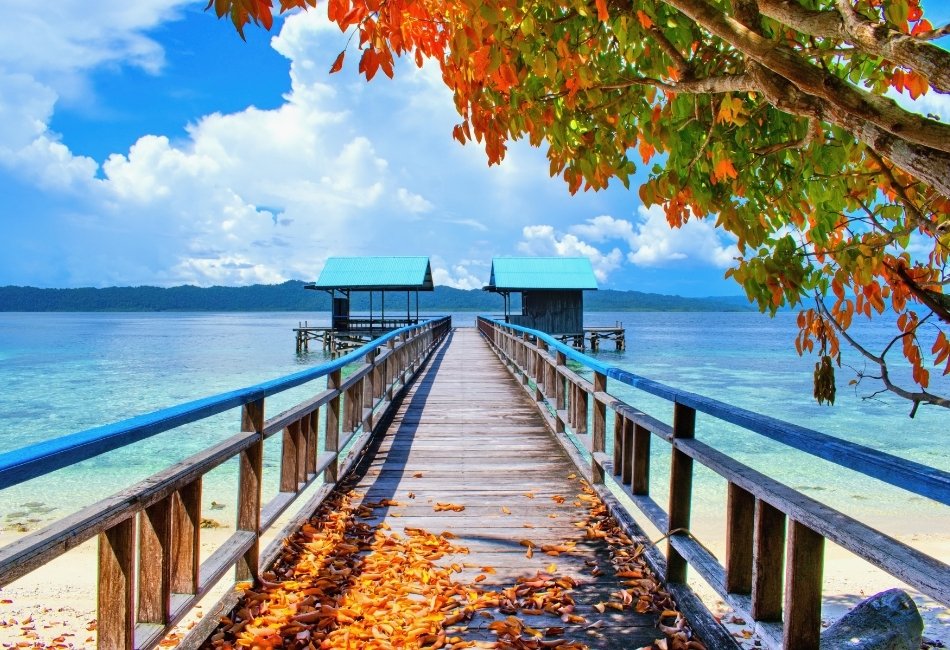
- How you reach it: Arrive by boat at Arborek’s wooden jetty and continue through the village on foot.
- Main trade-off: A rushed photo stop misses much of the reason to include the village.
After several days of coral, boats and limestone islands, Arborek introduces the people who live within this landscape. The small island can be explored on foot, with village homes, local crafts and everyday community life creating a very different experience from the marine environment immediately offshore.
The stop works especially well on the same route as Piaynemo rather than as a dedicated long-distance excursion. Give it enough time to walk and observe without treating residents or traditional activities as scenery arranged for visitors.
6. Watch Birds of Paradise in the Early Morning
- Location: Saporkren Village, South Waigeo District, Waigeo Island, Raja Ampat
- Best for: Wildlife travellers, photographers and guests wanting to experience Raja Ampat beyond the sea
- Physical effort: Expect an early start, forest walking and some uphill terrain.
- Time to allow: A dedicated early morning.
- How you reach it: Travel to Saporkren Village on Waigeo Island, then continue on foot with a local guide into the forest to the birdwatching area.
- Main trade-off: The start is very early, and wildlife sightings can never be guaranteed.
The forest is easy to overlook in a destination so strongly associated with coral reefs. A bird-of-paradise excursion changes that, taking you inland before sunrise to listen and watch for one of Papua’s most distinctive groups of birds as the forest becomes active.
This is not an activity to squeeze between a late night and a full afternoon expedition. The early start and forest walk already give the morning its own rhythm, while keeping the afternoon lighter allows the wildlife experience to remain memorable rather than becoming the first item in an overloaded day.
7. Kayak Through Lagoons, Karst Islands and Mangroves
- Location: Sheltered lagoons, mangrove areas and karst passages across Raja Ampat
- Best for: Couples, active families and travellers who prefer quiet exploration to constant speedboat travel
- Physical effort: Light to moderate paddling depending on distance, wind and current.
- Time to allow: One to several hours.
- How you reach it: Launch from a resort, support boat or yacht into a sheltered lagoon, mangrove channel or narrow passage.
- Main trade-off: Wind can make even a nearby route more demanding than expected.
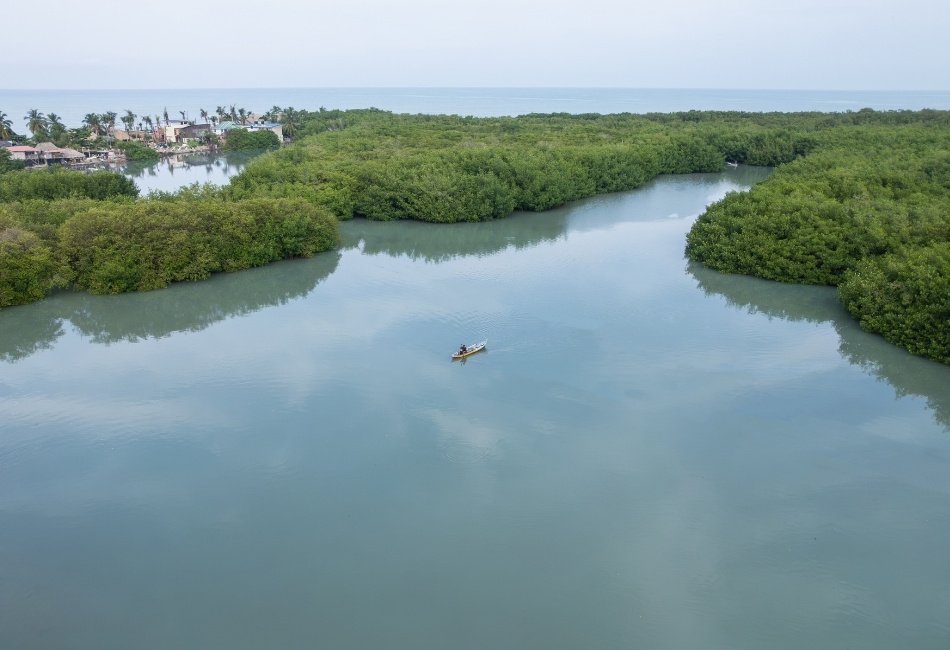
Kayaking changes the scale of Raja Ampat island hopping. From a speedboat, limestone islands pass quickly; from a kayak, mangrove roots, shallow coral and the narrow spaces between rock formations become the experience itself.
Sheltered water is the key. A calm lagoon can make for an unhurried morning, while exposed conditions can turn the same distance into unnecessary work. It is particularly well suited to a private phinisi cruise in Raja Ampat, where kayaks can be launched directly from whichever bay or island the vessel is using as its base that day.
8. Visit Pasir Timbul When the Tide Allows
- Location: Jl. Raja Ampat, Klasuur, Distrik Sorong, Kota Sorong, Papua Bar. 98411, Indonesia
- Best for: Couples, families and travellers wanting a simple pause between larger excursions
- Physical effort: Very low once the boat arrives.
- Time to allow: A short stop, ideally combined with another nearby activity.
- How you reach it: Travel by boat and land only when the falling tide exposes enough of the sandbank.
- Main trade-off: The tide decides whether the experience works; a fixed itinerary cannot.
Pasir Timbul is one of the simplest Raja Ampat attractions, and that is part of its appeal. When the tide drops, white sand emerges from the surrounding water with little else around it, creating an easy place to swim, walk or simply pause between longer parts of the day.
Timing matters more than duration. At high tide there may be no meaningful sandbank to visit, so the stop is best treated as an opportunity that fits around the tide rather than something a guide should force because it appears on the programme.
Why Wayag Is Not Included in This List
Wayag would normally be one of the obvious names in any Raja Ampat guide. However, at the time of this article’s 2026 review, the area remains closed to visitor activities under customary-law restrictions, with no confirmed reopening date.
That makes Piaynemo, Telaga Bintang and Kabui Bay more useful for a trip being planned now. Each offers a different karst landscape, and none requires building an itinerary around access that may not be available when you arrive.
When to Visit Raja Ampat
For most travellers, October to April is the period we would consider first, when winds are generally calmer and longer boat journeys tend to be more comfortable. July and August can bring stronger southerly winds and rougher seas, which matter when so many Raja Ampat experiences depend on moving between islands.
Conditions remain local even within the preferred season. A sunny morning near one island does not guarantee identical water elsewhere, so snorkelling, diving, kayaking and longer boat routes should retain enough flexibility to move with actual sea and weather conditions.
How to Combine Raja Ampat Experiences Without Rushing
The useful question is not how many experiences fit into a week, but which ones belong naturally together. A thoughtfully designed luxury tour Raja Ampat island should reduce repeated boat journeys while leaving enough room for tide, current and weather to alter the day.
A practical rhythm could look like this:
- Karst landscape day: Kabui Bay + Batu Pensil, with Pasir Timbul only when the tide works.
- Piaynemo day: Piaynemo + Telaga Bintang + Arborek, combining several experiences within the same wider route.
- Marine days: Keep snorkelling or diving around Mansuar and the Dampier Strait flexible instead of assigning every famous reef months in advance.
- Wildlife morning: Give bird-of-paradise watching its own early start, then leave the afternoon deliberately lighter.
LuxeIndonesia’s Raja Ampat Majesty Retreat: A Luxe Tropical Haven uses a similar balance, with Kabui Bay on one day, Piaynemo–Telaga Bintang–Arborek on another, followed by several freer days around Mansuar for snorkelling and resort time.
Turn These Raja Ampat Experiences Into Your Journey With LuxeIndonesia
The most rewarding things to do in Raja Ampat are rarely the ones that produce the longest itinerary. At LuxeIndonesia Travel, our team can shape the journey around the experiences that matter to you—marine life, karst landscapes, wildlife, community encounters or simply enough unplanned time to enjoy the remoteness of the archipelago.
- Discover Indonesia’s Idyllic Islands: Raja Ampat & Wakatobi Islands: A longer marine-focused journey for travellers who want Raja Ampat’s islands and reefs to form part of a wider exploration of Indonesia’s underwater landscapes.
- Exquisite Escapes: Unveiling Indonesia’s Opulent Wonders: Better suited to travellers who want Raja Ampat to become one remote nature chapter within a longer private journey through Indonesia.
Frequently Asked Questions
What Are the Best Things to Do in Raja Ampat for First-Time Visitors?
For a first journey, Piaynemo and Telaga Bintang, snorkeling around Mansuar or Arborek, Kabui Bay and one cultural or wildlife experience create a strong introduction to the archipelago. Divers can devote additional time to the Dampier Strait, while non-divers can replace those sessions with kayaking, snorkeling or a slower day around the islands.
The goal is contrast. A week made entirely of boat-and-reef days can become surprisingly repetitive even in a marine environment as rich as Raja Ampat.
Is Raja Ampat Worth Visiting If You Do Not Dive?
Yes. Snorkeling, Piaynemo, Telaga Bintang, Kabui Bay, village visits, kayaking and birdwatching give non-divers enough variety for a substantial trip.
Scuba diving expands what you can experience underwater, but it should not be treated as a prerequisite for travelling to Raja Ampat.
How Many Days Should You Spend in Raja Ampat?
At least five to seven days in Raja Ampat itself makes sense for most first-time journeys. Reaching the islands involves meaningful travel through Sorong and onward connections, so very short stays give an uncomfortable proportion of the trip to logistics.
Seven days also leaves room for a reef or boat programme to move when the weather changes without sacrificing one of the experiences you came for.
Is Piaynemo Physically Difficult?
Piaynemo’s main viewpoint involves climbing 325 wooden steps. Travellers with normal mobility can take the staircase slowly and pause along the way, but it is still a sustained climb in tropical conditions.
Anyone with significant knee, mobility or cardiovascular concerns should consider the effort before setting out rather than assuming the viewpoint is an effortless sightseeing stop.
Can You Visit Wayag in 2026?
At the time of this article’s latest review, Wayag remains closed to visitor activities. Its access status should be checked again before any future itinerary is designed around the area.
Until that changes, Piaynemo and other accessible karst landscapes provide much more reliable foundations for a Raja Ampat trip.
Do You Need a Marine Park Permit?
Visitors entering the Raja Ampat Marine Protected Area system should confirm the current Marine Park Entry Card and any applicable local requirements before travelling.
Fees and procedures can change, so permit arrangements are best reconfirmed close to departure rather than relying on an older travel guide.