

Komodo National Park is famous for its Komodo dragons, yet its marine life draws snorkellers from around the world. Located within the Coral Triangle, the park supports diverse coral reefs, reef manta rays, sea turtles and tropical fish across its islands and channels. Snorkelling ranges from calm, shallow sites such as Pink Beach and Siaba Besar to open-water drift sites such as Manta Point. Strong tidal currents shape conditions throughout the park, making site selection, timing and swimming ability important. This guide covers 7 of Komodo’s best snorkelling spots, seasonal conditions, safety and practical advice for planning your trip.
| Komodo Snorkelling | Location | Water conditions | Marine highlights |
| Manta Point (Karang Makassar) | Central Komodo National Park, between Komodo Island and Tatawa/Rinca | Shallow open-water drift over a rubble and coral reef plateau. Currents change with the tide and strengthen during stronger tidal exchanges. | Reef manta rays: Mobula alfredi gather to feed and visit cleaning stations.Manta cleaning stations: Cleaner fish remove parasites from mantas.Reef fish and rays: Reef fish, stingrays and occasional eagle rays. |
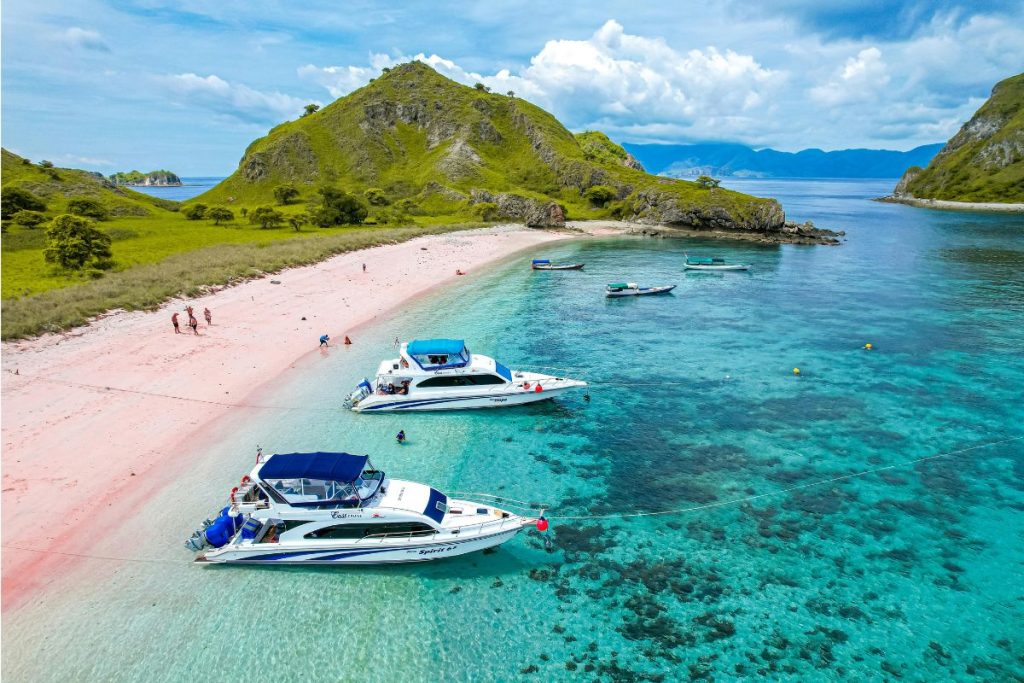
| Pink Beach (Pantai Merah) | Komodo Island, Central Komodo National Park | Shallow, sheltered bay with visibility frequently exceeding 15 metres. Currents are generally mild near the beach, with stronger coastal pull along the outer left side depending on the tide. | Pink sand composition: Foraminifera and red coral fragments blend with white sand.Shallow coral gardens: Hard and soft corals 5–10 metres from shore at 1–5 metres deep.Reef fish: Clownfish, parrotfish, butterflyfish, damselfish and angelfish. |
| Siaba Besar | Siaba Besar Island, Central Komodo National Park | Highly sheltered bay with minimal current, white sand patches and shallow reef structures between 4 and 6 metres deep. | Turtle City: Green and hawksbill turtles rest and feed in shallow seagrass and coral areas.Lettuce coral fields: Healthy hard lettuce and branching corals provide cover for juvenile fish.Sandy marine life: Blue-spotted stingrays and cuttlefish. |
| Kanawa Island | Pasir Putih, Komodo District, West Manggarai Regency | Exceptionally calm, clear and warm shallow water, with a mild current that rarely affects the main house reef. | Shallow seagrass flats: 1–3 metre sandy flats with juvenile blacktip reef sharks and green turtles.Jetty ecosystem: Wooden pilings attract large schools of tropical reef fish.Fringing coral slope: Hard and soft corals and large blue starfish around 5 metres deep. |
| Kelor Island | Pasir Putih, Komodo, West Manggarai Regency | Gentle, shallow water near shore at 2–6 metres. The deeper channel between neighbouring islands has strong, sweeping tidal currents. | Shallow fringing reefs: Vibrant coral clusters close to the sand.Tropical fish: Clownfish, damselfish and small pelagics in the shallows.Juvenile reef sharks: Occasional sightings near the pier. |
| Batu Bolong | Middle of the Lintah Strait, Central Komodo National Park | Open-ocean conditions around a pinnacle that drops more than 70 metres. Currents create calmer eddies on one side and strong washing-machine currents around exposed corners. | Marine density: Hard and soft corals with a high concentration of marine life.Pelagics: Giant trevally, tuna, barracuda and white-tip reef sharks.Reef fish: Anthias, surgeonfish and fusiliers in the top 5 metres. |
| Tatawa Besar | Tatawa Besar, Komodo, West Manggarai Regency | Gentle to moderate, steady drift current over a sloping reef. The shallow reef top sits at 2–8 metres, descending to around 15–20 metres further out. Visibility often exceeds 20 metres. | Soft coral gardens: Bright orange, pink and purple soft corals cover the reef slope.Reef fish: Anthias, damselfish, surgeonfish and fusiliers.Turtles and predators: Hawksbill turtles, blacktip reef sharks, giant trevallies and large sweetlips. |
1. Manta Point (Karang Makassar)
- Location: Jl. Soekarno Hatta, Labuan Bajo, Kec. Komodo, Kabupaten Manggarai Barat, Nusa Tenggara Tim. 86754, Indonesia
- Snorkelling level: Intermediate to experienced. Variable tidal currents make this site best suited to confident swimmers comfortable in open water.
- How you enter: Enter from a tender or boat up-current, then drift across the reef while the crew follows the group and collects snorkellers downstream
- Water conditions: Shallow open-water drift over a rubble and coral reef plateau, with currents that change with the tide and strengthen during stronger tidal exchanges
- Marine highlights:
- Reef manta rays: Reef manta rays (Mobula alfredi) gather around the reef to feed and visit cleaning stations
- Manta cleaning stations: Mantas hover over shallow reef areas while cleaner fish remove parasites from their bodies
- Reef fish and rays: The surrounding reef and sandy flats support reef fish, stingrays and occasional eagle rays
- Best for: Manta ray encounters and confident snorkellers comfortable with open-water drift snorkelling
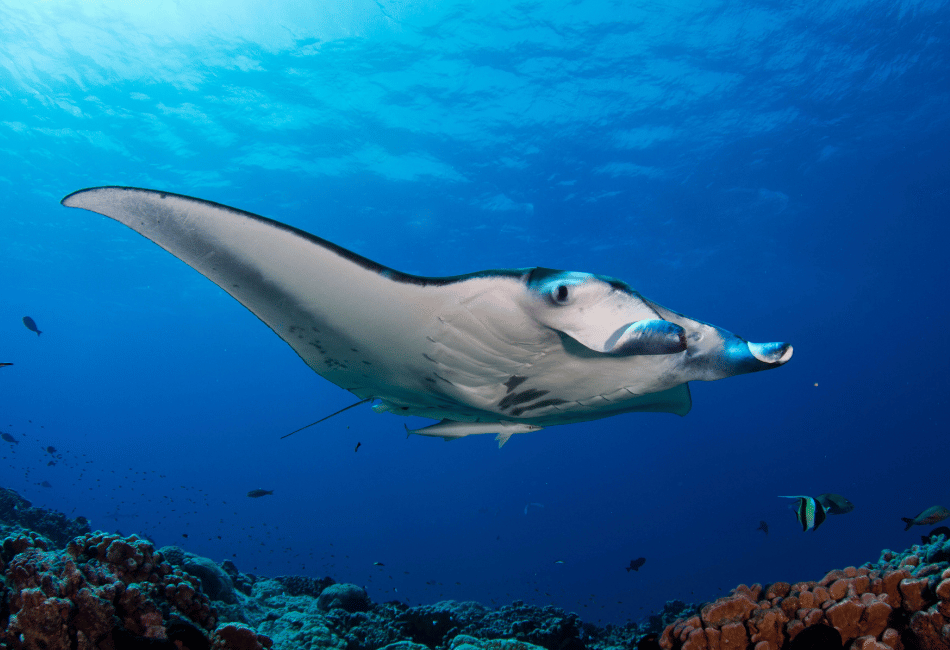
Manta Point stretches for more than 2.5 kilometres across a rubble and sand-bottom reef system, with depths ranging from around 6 to 18 metres and sections as shallow as 2 to 8 metres. The shallow reef profile brings the manta experience within reach of surface snorkellers, while the site’s size gives boat crews several areas to assess before choosing an entry point.
Reef manta rays (Mobula alfredi) reach typical wingspans of 3 to 5 metres, making close surface encounters the defining experience here. The drift follows the tide across the reef, so confident swimmers get the most from the site, while the crew manages the entry and exit points according to the day’s current conditions.
2. Pink Beach (Pantai Merah)
- Location: Central area of Komodo National Park, Komodo Island, West Manggarai Regency, East Nusa Tenggara, Indonesia
- Snorkelling level: Beginner. Calm conditions and direct shore access suit children, families and casual swimmers.
- How you enter: Walk directly from the sandy shore or step from a tender boat into the shallow water.
- Water conditions: A shallow, sheltered bay with visibility frequently exceeding 15 metres. Currents are generally mild near the beach, although a stronger coastal pull develops along the outer left side of the bay depending on the tide.
- Marine highlights:
- Pink sand composition: Foraminifera fragments and red coral fragments blend with white sand to create the beach’s iconic rose-tinted shoreline.
- Dense shallow coral gardens: Hard and soft corals flourish 5 to 10 metres from the beach at depths of 1 to 5 metres.
- Anemone colonies and reef fish: The shallows support large schools of clownfish, parrotfish, butterflyfish, damselfish and angelfish.
- Best for: Easy shore-entry snorkelling, colourful shallow marine life and unique pink sand landscapes.
Pink Beach is set against dramatic volcanic hills on the eastern side of Komodo Island. The underwater profile is a gentle sandy slope that reaches roughly 5 metres in the main snorkelling area, while the reef system reaches depths of up to 30 metres further out for divers. The reef starts just steps from the sand, giving surface swimmers direct access to a rich ecosystem without heavy open-ocean swell.
Enter from the centre of the beach and swim gently towards the right (south), where the coral formations become denser and more diverse. Beginner conditions suit casual snorkellers, while experienced snorkellers also find healthy coral and occasional juvenile blacktip reef sharks around the outer edges.
3. Siaba Besar
- Location: Northwest side of Siaba Besar Island, Central Komodo National Park, West Manggarai Regency, East Nusa Tenggara, Indonesia
- Snorkelling level: Beginner to intermediate. The calm, protected environment suits less confident swimmers, while divers also use the site for check dives.
- How you enter: Enter directly from a boat or tender anchored inside the protected bay.
- Water conditions: A highly sheltered bay with minimal current, bright white sand patches and shallow reef structures between 4 and 6 metres deep.
- Marine highlights:
- Turtle City: A large resident population of green and hawksbill sea turtles rests and feeds in the shallow seagrass and coral areas.
- Lettuce coral fields: Wide areas of healthy hard lettuce corals and branching corals provide cover for juvenile fish.
- Sandy macro life and stingrays: The bright sandy floor between coral heads supports blue-spotted stingrays and cuttlefish.
- Best for: Reliable sea turtle encounters and easy, current-free surface swimming.
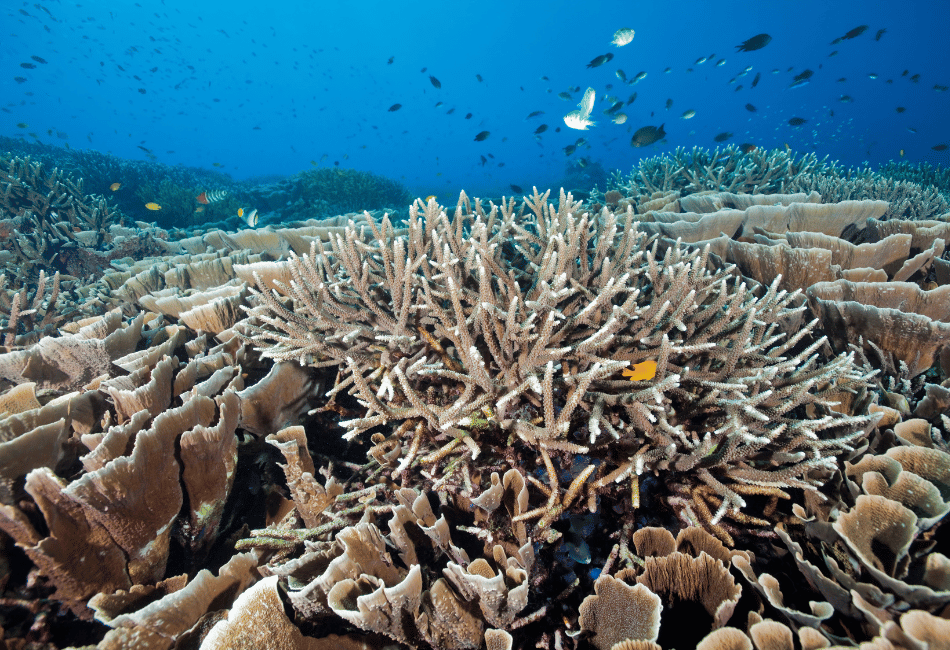
Siaba Besar is known locally as “Turtle City” because it is a feeding and resting area for dozens of sea turtles. The bay is naturally shielded from the strong currents that define much of the Lintah Strait, creating calm conditions for snorkellers. Snorkellers float over the reef flats at depths of 4 to 6 metres and watch turtles surface for air alongside them.
The seabed combines a healthy fringing reef with clean white sand patches. The calm conditions make Siaba Besar a practical place to practise snorkelling techniques, test gear or observe marine life without the physical demands of a drift dive.
4. Kanawa Island
- Location: Pasir Putih, Komodo District, West Manggarai Regency, East Nusa
- Snorkelling level: All levels. The shallow, calm water suits children, first-time snorkellers and less confident swimmers.
- How you enter: Walk into the water from the soft sand beach or jump from the steps of the island’s wooden jetty.
- Water conditions: Exceptionally calm, clear and warm shallow water, with a mild current that rarely affects the main house reef side of the island.
- Marine highlights:
- Shallow seagrass flats: A 1 to 3 metre-deep sandy flat close to the beach provides habitat for juvenile blacktip reef sharks and green turtles.
- Jetty pilings ecosystem: The wooden structure acts as an artificial reef and attracts large schools of tropical reef fish.
- Fringing coral slope: Further out, the reef drops to around 5 metres, with hard and soft corals and large blue starfish.
- Best for: Easy beach-entry snorkelling and viewing juvenile marine life in ultra-shallow water.
Kanawa Island is widely regarded as one of the most accessible snorkelling destinations on the standard regional loop and often serves as a final stop before boats return to Labuan Bajo. The island sits just outside the national park boundary, so visitors who only visit Kanawa do not pay the daily park ranger fees. The underwater profile starts with a flat, shallow shelf that keeps the main beach area calm and suitable for families.
Snorkellers starting at the pier find schools of sergeant majors, fusiliers and needlefish around the wooden structure. Moving into the 2 metre shallows also brings sightings of small blacktip reef sharks, measuring under a metre long, cruising across the seagrass beds.
5. Kelor Island
- Location: Pasir Putih, Komodo, West Manggarai Regency, East Nusa Tenggara, Indonesia
- Snorkelling level: Beginner to intermediate. The shoreline is manageable, but the open channels require caution.
- How you enter: Walk directly from the sloping white sand beaches or wade out from the local boat docking area.
- Water conditions: Gentle, shallow water near the shore, ranging from 2 to 6 metres deep. The deeper channel between neighbouring islands has strong, sweeping tidal currents.
- Marine highlights:
- Shallow fringing reefs: Vibrant coral clusters start a few metres from the sand line.
- Diverse tropical fish: Schools of clownfish, damselfish and small pelagics move through the shallows.
- Juvenile reef sharks: Young sharks occasionally move through the warm, shallow water near the pier.
- Best for: Combining a scenic island hill trek with a quick, refreshing beach snorkel.
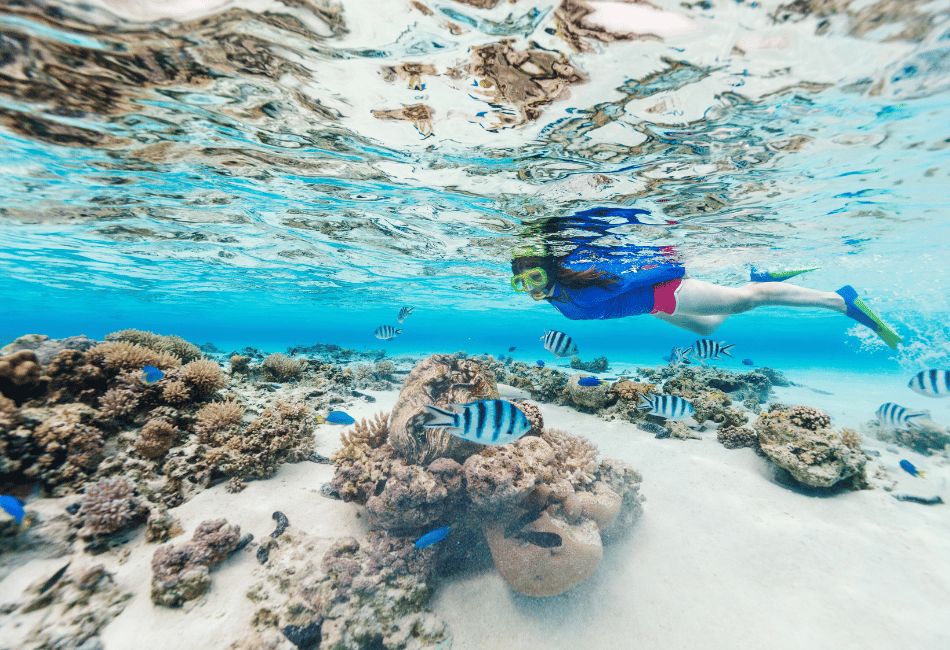
Kelor Island is traditionally the first stop for day boats and multi-day liveaboards departing Labuan Bajo. The island is known for its volcanic topography and steep, short central hill, which travellers climb for panoramic views before returning to the water. It has two distinct beach fronts: a shallow, protected west side suited to children and an eastern coast where local transport boats anchor.
The snorkelling provides a straightforward introduction to the area’s underwater clarity. The coral is patchy but healthy, thriving in a few metres of water where sunlight supports strong visibility. Stay close to the beach contours and follow the guide’s instructions around the deeper island channels, where tidal currents move quickly.
6. Batu Bolong
- Location: Middle of the Lintah Strait, Central Komodo National Park, West Manggarai Regency, East Nusa Tenggara, Indonesia
- Snorkelling level: Advanced only. Strong currents, whirlpools and sudden downward surges make this site suitable only for highly experienced swimmers with a professional guide.
- How you enter: Enter directly from the boat into open water on the sheltered “lee side” of the rock pinnacle.
- Water conditions: Open-ocean conditions surround a rock pinnacle that drops more than 70 metres. Currents split around the rock, creating calmer eddies on one side and strong washing-machine currents around the exposed corners.
Marine highlights:- Unparalleled marine density: The rock face is covered in hard and soft corals and supports a high concentration of marine life.
- Deep-sea pelagics: Large schools of giant trevally, tuna, barracuda and white-tip reef sharks hunt near the surface.
- Clouds of reef fish: Millions of colourful anthias, surgeonfish and fusiliers swarm the top 5 metres of the reef.
- Best for: Witnessing world-class marine biodiversity and dramatic underwater drop-offs.
Batu Bolong is an underwater mountain where nutrient-rich currents meet its vertical walls, supporting dense marine life. Although the site is best known for scuba diving, the top of the pinnacle sits just beneath the surface, bringing the reef and its fish within range of experienced snorkellers.
Snorkelling here requires careful assessment of the current direction. Boat captains drop snorkellers on the protected “lee side”, while guides keep the group away from the exposed edges where currents turn sharply towards the open sea. Experienced swimmers get the opportunity to float above a 70-metre drop-off while watching sharks, turtles and thousands of reef fish below.
7. Tatawa Besar
- Location: Komodo, West Manggarai Regency, East Nusa Tenggara, Indonesia
- Snorkelling level: Intermediate. A continuous drift current makes Tatawa Besar best suited to confident swimmers comfortable floating with the current over longer distances.
- How you enter: Step or roll into the water from a tender boat up-current, then drift parallel to the island’s coastline while the boat follows downstream.
- Water conditions: A gentle to moderate, steady drift current runs over a sloping reef profile. The shallow reef top sits at 2 to 8 metres, descending to around 15 to 20 metres further out. Visibility often exceeds 20 metres.
- Marine highlights:
- Vibrant soft coral gardens: Bright orange, pink and purple soft corals (Dendronephthya) cover the reef slope and move with the tidal current.
- Schools of reef fish: Anthias, damselfish, surgeonfish and fusiliers gather above the coral heads.
- Turtles and reef predators: Hawksbill turtles feed around the reef, alongside sightings of blacktip reef sharks, giant trevallies and large sweetlips.
- Best for: Spectacular soft coral scenery and a relaxed, scenic drift snorkelling experience.
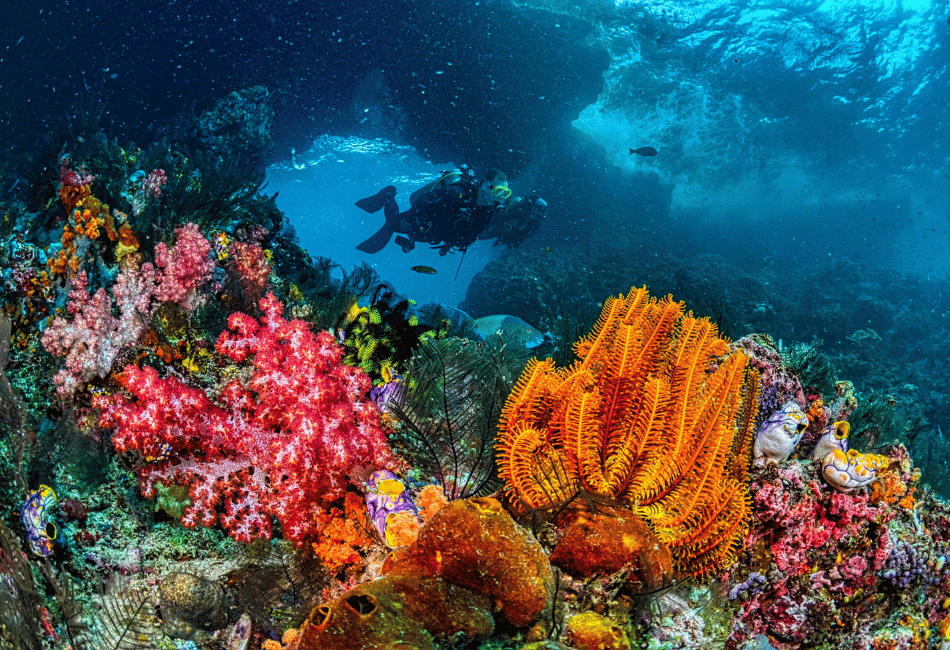
Tatawa Besar is known for its extensive soft coral gardens, which distinguish the site from Komodo’s hard-coral-dominated reefs. The reef slope is covered with colourful soft corals that move with the tidal flow, creating a constantly changing underwater landscape.
Crews typically start snorkellers near the island’s north-western tip, where the current carries them south along roughly 1 kilometre of reef. The shallow reef flat keeps the coral within easy viewing range for surface snorkellers, making Tatawa Besar a strong choice for confident swimmers who enjoy longer drift sessions.
Essential Tips for Snorkelling in Komodo
Practical snorkelling in Komodo National Park requires more than choosing the right reef. Strong tidal currents, changing visibility, water temperature and boat schedules all influence where and when you enter the water.
Best Spots by Experience Level
| Experience / Interest | Best Snorkelling Spots | Why It Suits This Level |
| Beginners | Pink Beach, Kanawa Island, Kelor Island | Shallow water, easy entry and relatively calm conditions make these spots easier for first-time snorkellers. |
| Turtle Encounters | Siaba Besar | Its sheltered, shallow bay provides comfortable conditions for observing turtles while snorkelling. |
| Manta Rays | Manta Point (Karang Makassar) | Open-water drift snorkelling provides access to manta feeding and cleaning areas, with conditions managed around the tide. |
| Advanced Swimmers | Batu Bolong | Strong tidal currents and steep drop-offs require confident open-water skills and professional guide support. |
Best Season & Weather Conditions for Komodo Snorkelling
- Dry Season (April to November): The prime window for snorkelling, with sunny skies, calmer seas and underwater visibility reaching around 20 to 30 metres in good conditions.
- Peak Months (April to June and September to November): Favourable weather with fewer crowds than the busiest periods.
- Rainy Season (December to March): Ocean swells increase and visibility often drops as plankton levels rise. Higher plankton concentrations also create feeding opportunities for manta rays, making this period particularly relevant for manta encounters at sites such as Manta Point and Mawan.
Essential Snorkelling Safety
- Respect the currents: Komodo’s tidal currents vary between sites and throughout the day. Experienced crews time entries around safer tidal windows and manage drift routes according to the conditions. Never try to swim against a strong current.
- Match the site to your swimming ability: Start with sheltered sites such as Pink Beach, Kanawa Island or Siaba Besar if you are new to snorkelling. Leave current-exposed sites such as Manta Point and Batu Bolong to confident open-water swimmers with appropriate guide support.
- Check the tide before entering: Tides affect current strength, water movement and access to some sites. Taka Makassar’s sandbar, for example, emerges at low tide and submerges at high tide.
- Stay with your guide: Keep the boat and group within sight at open-water sites. Follow the guide’s entry point, drift direction and return instructions rather than choosing your own route.
- Protect the reef: Maintain neutral buoyancy, keep your fins clear of coral and never stand on or touch the reef. Do not collect shells, sand or coral.
- Keep your distance from wildlife: Never chase, touch or block manta rays and turtles. At manta cleaning stations, remain calm and allow the animals to move freely around you.
- Exercise extreme caution at Batu Bolong: While Batu Bolong is world-famous for marine density, it is notorious for strong downward currents, whirlpools, and “washing-machine” water movements. Snorkelling here is strictly restricted or discouraged unless sea conditions are exceptionally calm and you are accompanied by a certified private guide. Beginners and intermediate swimmers should completely avoid this site on surface snorkelling trips.
Practical Tips for a Komodo Snorkelling Trip
- Know the water conditions: Dry-season visibility often reaches around 20–30 metres, while water temperatures generally sit around 24–28°C. Conditions vary between locations, so your crew’s assessment remains more useful than relying on seasonal averages alone.
- Use well-fitted equipment: Most organised boat trips provide basic masks, snorkels and fins, but fit and condition vary between operators. A well-fitted mask is particularly important for longer sessions.
- Wear UV and thermal protection: A rash vest or UV swim shirt protects against strong tropical sun. Bring a thin wetsuit or shorty if you expect longer sessions or cooler water, particularly on southern routes.
- Protect your feet: Wear water shoes when entering from beaches with coral fragments, rocks or uneven seabeds. Once in the water, avoid walking across shallow reef areas.
- Bring sun protection and water: Many snorkelling stops and sandbars have little natural shade. Pack reef-safe sunscreen, sunglasses, a hat and enough drinking water for the day.
- Protect your belongings: Keep phones, cameras and spare clothing in a dry bag during speedboat transfers. Secure underwater cameras with a wrist strap before entering the water.
- Prepare for seasickness: Speedboat crossings between islands often involve exposed water. If you are prone to seasickness, take your usual medication before departure and choose a more stable, well-ventilated position on the boat.
- Check what your boat package includes: Confirm whether masks, snorkels, fins, towels, drinking water, safety equipment and national park fees are included before departure. Private charters also give the crew more flexibility to adjust the snorkelling sequence around tide, current and weather conditions.
- Choose the right boat type:
- Speedboat Day Trips: Ideal for tight schedules and covering five to six top spots in a single day.
- Phinisi Liveaboards (2D1N / 3D2N): Offer a more relaxed pace, with opportunities to snorkel early in the morning or late afternoon before day trip crowds arrive.
Plan a Snorkelling Journey Through Komodo With LuxeIndonesia Travel
Komodo snorkelling rewards careful planning. Tides, currents, weather and the distance between islands all affect where you should enter the water and how long you spend at each site. Since 2010, LuxeIndonesia Travel has created tailor-made journeys that bring together local travel designers, private crews, carefully selected stays and 24/7 assistance throughout the trip.
For us, the value of a private boat is not simply having more space. It gives your crew room to adjust the day’s route around the conditions, spend longer at a reef that suits you and avoid rushing from one stop to the next. For travellers who put snorkelling first, we favour a private Phinisi cruise when the itinerary calls for more time on the water and access to quieter parts of Komodo.
Our team coordinates the vessel, accommodation, transfers, guides and daily route as one journey. You might prioritise manta rays and turtles, prefer shallow reefs for relaxed swimming, or want a mix of snorkelling and beach time. We shape the itinerary around those priorities rather than fitting you into a fixed sequence of stops.
- Opulent Odyssey Komodo Liveaboard (7 Days): A private Komodo journey combining Padar Island, Pink Beach, Komodo dragon encounters and snorkelling across the national park. We favour this route for travellers who want the main Komodo highlights with time to enjoy the journey at an unhurried pace.
- Flores Overland Komodo Liveaboard (10 Days): A land and sea journey linking Flores’ highlands, traditional villages and Kelimutu with a private Komodo liveaboard. It suits travellers who want time on the water without making the entire journey about the islands.
- Nias, Flores and Sumba, The Islands Indonesia Adventure (13 Days): A multi-island journey connecting Nias, Flores and Sumba, with Komodo and Flores experiences along the route. We would consider this for travellers who want snorkelling in Komodo as part of a wider Indonesia journey.
Ready to start with the snorkelling you want? Tell us which experiences matter most, from manta encounters and turtle snorkelling to quiet reefs, private sailing and time on secluded beaches. Our team will match the route, vessel, stays and pace around those priorities, then manage the details from arrival through to departure.