

Raja Ampat snorkeling is worth travelling for even if you never intend to scuba dive. Shallow coral gardens, reef fish, turtles and manta opportunities can all be experienced from the surface, but the quality of the trip depends heavily on choosing sites that match your swimming ability, the day’s current and how far you want to travel by boat.
We would not build the journey around the most famous names alone. Some reefs are ideal for a relaxed first session, while others make sense only for confident open-water swimmers; this guide helps you decide where to snorkel, when to go, whether to stay at a resort or travel by phinisi, and how to structure enough time in Raja Ampat without turning every day into a checklist.
Is Raja Ampat Worth It If You Only Snorkel?
Yes. Snorkeling in Raja Ampat can be a complete marine experience in its own right, especially around the shallow reefs of the Dampier Strait, Mansuar, Arborek and the Fam Islands. You do not need a dive certificate to spend meaningful time over coral gardens or encounter reef life close to the surface.
What matters is site selection. A sheltered reef around Arborek or Sawandarek and a current-driven site such as Cape Kri may be geographically close, but they ask very different things of the swimmer.
| If You Want… | We Would Start With | What to Keep in Mind |
| A first Raja Ampat snorkel | Arborek | Easier to settle into before attempting stronger-current sites |
| A slower shallow reef | Sawandarek | Good for observing coral and reef fish without rushing |
| A more dynamic reef | Cape Kri | Better for experienced open-water snorkelers |
| A manta opportunity | Manta Sandy | Wildlife and water conditions are never guaranteed |
| Coral rather than megafauna | Melissa’s Garden | Best appreciated slowly over the reef |
| A remote northern route | Aljui Channel | Makes more sense as part of a longer boat or phinisi journey |
Raja Ampat Snorkeling Spots We Would Choose
Arborek Jetty — A Good Place to Start
- Location: Arborek Island, Indonesia
- Swimming level: Suitable for most comfortable swimmers who can snorkel independently in open seawater; you do not need to be an advanced swimmer for a calm session.
- How you enter: Reach Arborek by boat, walk to the village jetty, then enter the shallow water beside the jetty or approach the reef directly from a small boat.
- Water conditions: Often more manageable than exposed channel sites, although tide and current should still be checked locally.
- Best for: A first Raja Ampat session, mixed-ability groups and combining marine time with a village visit.
- Marine highlights: Shallow coral, schooling reef fish and marine life gathering around the jetty structure.
Arborek works well early in the journey because the reef becomes interesting almost immediately below the surface. You do not need to start Raja Ampat with a difficult current or deep-water boat drop to understand why the marine environment here is so compelling.
We would also use the first session to understand how everyone in the group behaves in open water. That gives the guide useful context before deciding whether stronger-current reefs belong later in the programme.
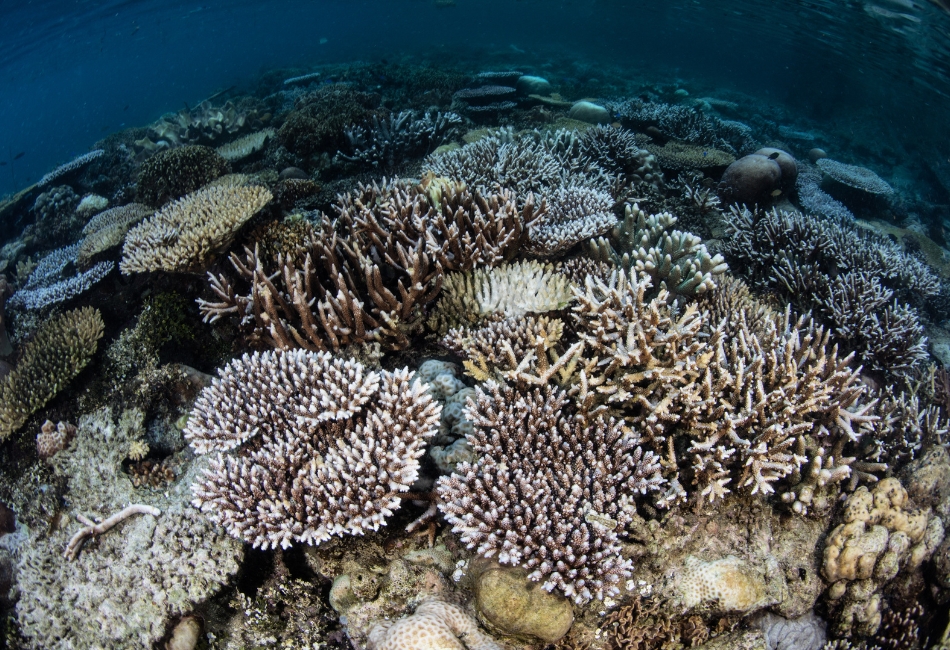
Sawandarek — For a Slower Shallow-Reef Session
- Location: Sawandarek Village, Mansuar Island
- Swimming level: Suitable for travellers who are comfortable snorkeling independently for a sustained period but would rather avoid deliberately strong-current conditions.
- How you enter: Reach Sawandarek by boat and enter near the village jetty, where the shallow reef extends out from the island.
- Water conditions: Conditions vary with tide, but the area can provide a more controlled session than exposed channel reefs.
- Best for: Families, mixed-ability groups and travellers who prefer observing the reef slowly rather than drifting quickly.
- Marine highlights: Coral gardens, reef fish and the possibility of turtles and other shallow-water marine life.
Sawandarek is the kind of reef we would choose when there is no need to make every session progressively more demanding. Its value is the time it gives you to notice the reef rather than constantly manage your position in moving water.
That makes it particularly useful within a Mansuar-based stay, where several different marine experiences can be reached without turning every day into a long boat expedition.
Cape Kri — For Experienced Open-Water Snorkelers
- Location: Cape Kri, eastern end of Kri Island, Dampier Strait
- Swimming level: Best for confident swimmers who have snorkeled in open water before and are comfortable being moved by current.
- How you enter: Reach the reef by boat; your guide chooses the entry point according to tide and current, with the route managed from the water rather than from a beach.
- Water conditions: Current can be strong, particularly around changing tides, so this is not a site we would automatically include for every guest.
- Best for: Experienced snorkelers who want a more dynamic reef and large concentrations of fish.
- Marine highlights: Dense reef fish, coral slopes and the possibility of larger reef species passing through the Dampier Strait.
Cape Kri is famous, but fame is not enough for us to recommend a site. When the current, tide and swimming ability align, the reef can provide a much more dynamic session than Arborek or Sawandarek.
For a nervous swimmer or someone whose experience is limited to calm hotel lagoons, we would skip it without hesitation. Raja Ampat has too many exceptional shallow reefs to make discomfort a requirement.
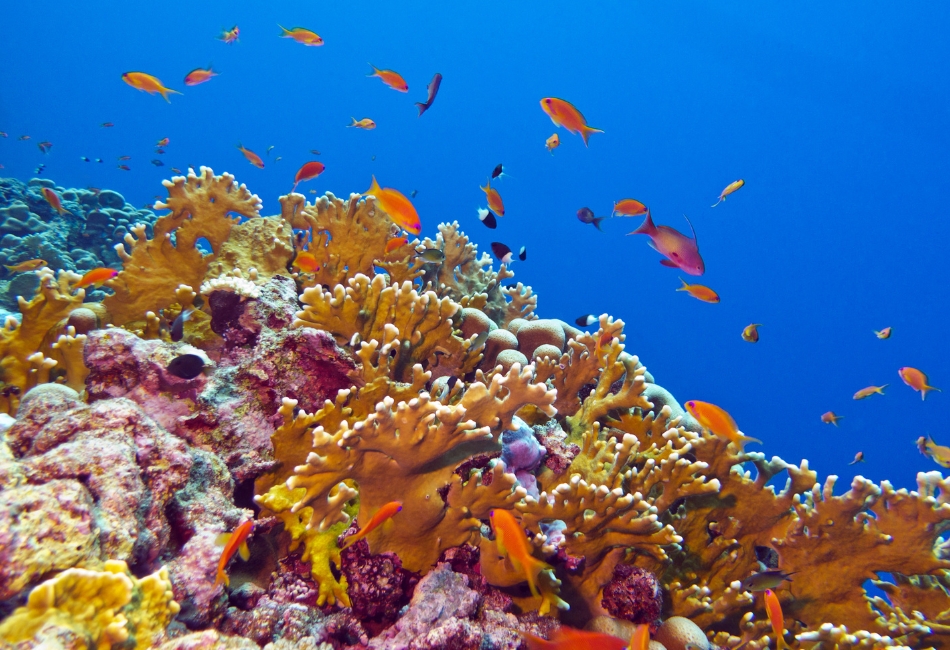
Manta Sandy — For a Chance to See Reef Mantas
- Location: Dampier Strait, near Mansuar and Arborek
- Swimming level: Suitable for comfortable open-water snorkelers who can remain close to their guide and follow instructions around wildlife.
- How you enter: Travel to the manta area by boat and enter only at the point selected by the guide according to current, other boats and manta activity.
- Water conditions: Moving water can be part of the experience; the session should be adjusted or skipped if conditions are unsuitable for the group.
- Best for: Travellers hoping for a guided manta encounter without scuba diving.
- Marine highlights: Reef manta rays when present, alongside the surrounding reef ecosystem.
We would treat Manta Sandy as an opportunity rather than a promise. Mantas are wild animals, so even during periods when encounters are more likely, no itinerary should describe a sighting as guaranteed.
The guide’s role matters as much as timing. Entering at the right point, keeping an appropriate distance and leaving the animals space should take priority over extending a session simply because mantas have appeared.
Melissa’s Garden — For the Coral Itself
- Location: Fam Islands, near Piaynemo
- Swimming level: Suitable for comfortable snorkelers who can enter from a boat and spend time independently over a shallow reef.
- How you enter: Reach the Fam Islands by boat, then enter directly from the boat over the shallow section selected by the guide.
- Water conditions: Tide and current vary; the guide should choose the part of the reef that offers the most suitable conditions on the day.
- Best for: Coral enthusiasts, underwater photography and travellers who value reef structure more than searching for one large animal.
- Marine highlights: Broad hard-coral gardens, reef fish and intricate shallow reef formations.
Melissa’s Garden changes the focus of the day. Instead of entering the water hoping to find a manta or shark, you spend time looking at the density, colour and structure of the reef itself.
We would often place a coral-focused session between more dynamic marine experiences. It keeps a Raja Ampat journey from becoming a checklist of increasingly large animals.
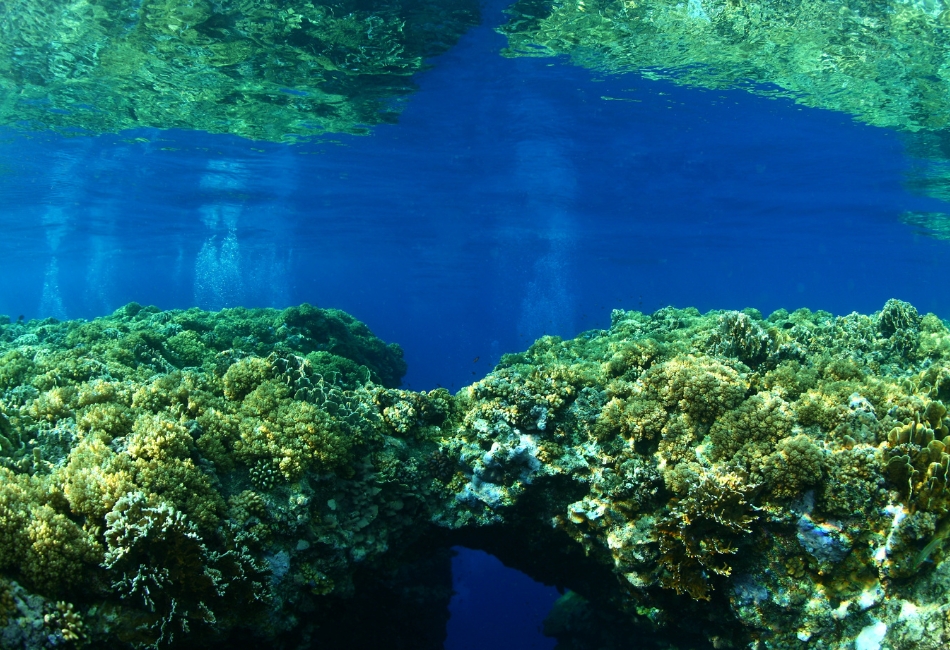
Aljui Channel — For a More Remote Northern Route
- Location: Aljui Bay, north-west Waigeo
- Swimming level: Better for experienced snorkelers who are comfortable with boat entries, remote conditions and following a guide through potentially moving water.
- How you enter: Reach Aljui Bay by liveaboard or longer-range boat journey, then enter directly from the tender or support boat at the reef selected by the guide.
- Water conditions: More remote and potentially exposed than easier Mansuar-based sites; sea and current conditions should determine whether a session goes ahead.
- Best for: Travellers already exploring northern Raja Ampat by boat or private phinisi.
- Marine highlights: Coral, reef fish and marine environments away from the more frequently visited Dampier Strait circuit.
Aljui is where the route begins to matter as much as the reef. We would not make a long out-and-back journey simply to add its name to the itinerary.
It becomes far more logical aboard a private phinisi cruise in Raja Ampat, where the vessel can reposition between islands and the following morning begins closer to the next marine area rather than back at the same resort.
When Should You Go Snorkeling in Raja Ampat?
The best time to snorkel Raja Ampat for most travellers is broadly from October to April, when winds are generally calmer and boat journeys tend to be more comfortable. This period also offers better opportunities for reef-manta encounters in northern Raja Ampat, although wildlife sightings should always be treated as possibilities rather than guarantees.
Conditions can still change from one island or tide to the next. From around June to October, particularly July and August, rougher seas can affect boat routes, so we would choose the season first and then let the local guide decide which reef makes sense on the day rather than treating a fixed site list as more important than surface comfort.
Resort or Private Phinisi: Which Makes More Sense?
Neither option automatically gives you better snorkeling. The real question is how widely you want to move through Raja Ampat and how much of the day you want to spend aboard a boat.
Choose a Resort Base If…
A resort works particularly well when you want a house reef, shorter daily boat excursions and enough downtime between sessions. It can also be easier for families or private groups where some guests want to snorkel twice a day while others prefer the beach or simply a slower afternoon.
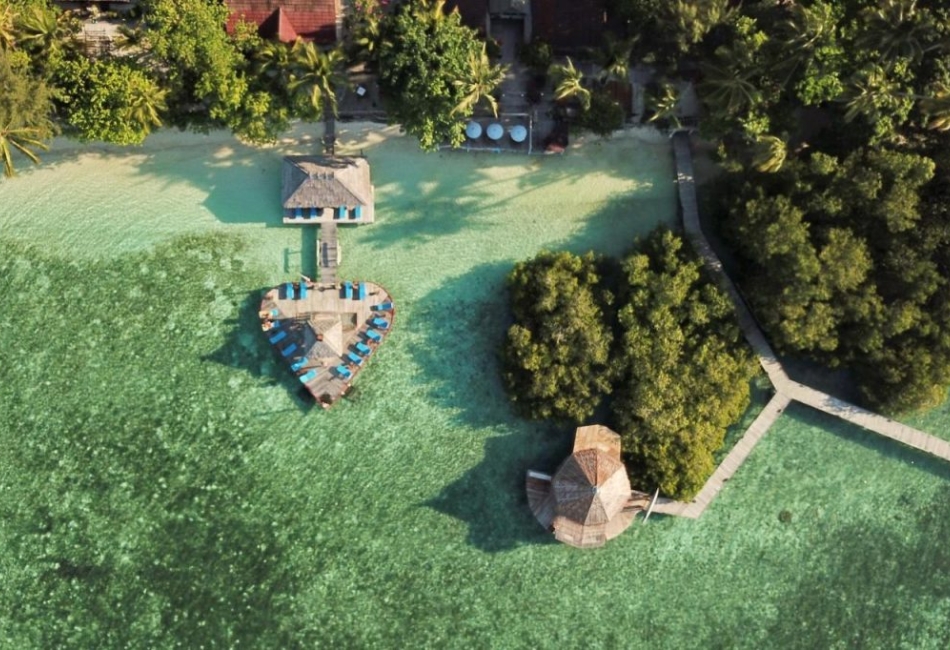
Raja Ampat Dive Lodge on Mansuar is well positioned for the Dampier Strait, while Papua Paradise Eco Resort gives guests direct access to a house reef. For us, those location attributes matter more than comparing room design alone.
Choose a Private Phinisi If…
A private phinisi cruise in Raja Ampat makes more sense when the marine journey itself is the priority. Instead of returning to the same resort each afternoon, the vessel can reposition between areas such as Dampier Strait, Fam and more remote parts of the archipelago.
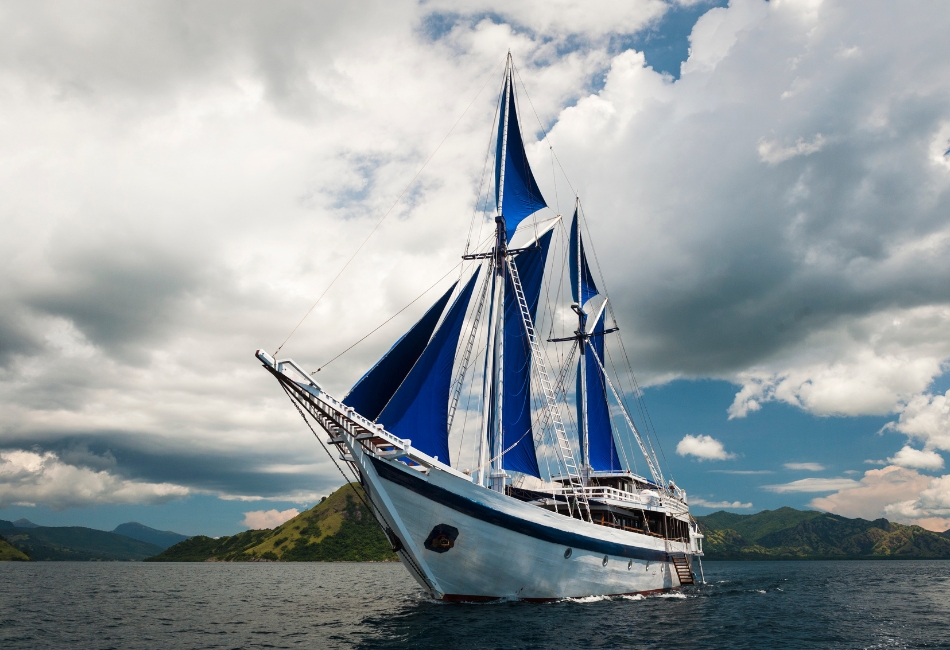
That flexibility is useful for snorkelers because the route can respond to the sea. A reef with unsuitable current can be replaced, the vessel can move closer to the next day’s site overnight, and confident swimmers can reach more remote areas without forcing the same programme onto less experienced members of the group.
For travellers considering a wider luxury tour Raja Ampat island, we would choose between a resort and phinisi according to the geography you want to cover—not according to which option sounds more luxurious.
How a 7-Day Resort-Based Raja Ampat Trip Can Work
LuxeIndonesia’s Raja Ampat Majesty Retreat: A Luxe Tropical Haven provides a useful example of how a seven-day Raja Ampat stay can combine sightseeing with several unhurried snorkeling days rather than moving to a new reef every morning.
| Day | Published Itinerary | What It Means for a Snorkeling Trip |
| Day 1 | Sorong – Waisai – Mansuar | This is primarily an arrival and transfer day, ending at Raja Ampat Dive Lodge on Mansuar Island. |
| Day 2 | Kabui Bay | A full-day landscape excursion through Kabui Bay, Batu Pensil and, when the tide permits, Pasir Timbul. The published itinerary does not schedule snorkeling here. |
| Day 3 | Piaynemo + Telaga Bintang + Arborek | Combines the Piaynemo viewpoint and Telaga Bintang with a stop at Arborek Village. Arborek is part of the itinerary, although snorkeling at Arborek is not specifically included on the published programme. |
| Day 4 | Free day + snorkeling | Time at Raja Ampat Dive Lodge with snorkeling around the resort. |
| Day 5 | Free day + snorkeling | Another flexible resort day with snorkeling around Mansuar rather than a fixed named reef excursion. |
| Day 6 | Free day + snorkeling | A final unscheduled day for resort-based snorkeling and downtime. |
| Day 7 | Mansuar – Waisai – Sorong | Return journey to Sorong, so we would not treat this as another full snorkeling day. |
What we like about this structure is the balance. Three consecutive days at Raja Ampat Dive Lodge give travellers enough time to enjoy the water without making every morning another long-distance boat transfer, while Kabui Bay and Piaynemo bring Raja Ampat’s karst landscapes into a trip that might otherwise become entirely marine-focused.
If specific reefs such as Cape Kri, Sawandarek, Manta Sandy or more remote northern sites are a priority, we would not imply that they are included in this published programme. Those ambitions are better discussed as part of a bespoke itinerary, where the route can be designed around selected marine areas and conditions.
Safety, Currents and Marine Park Rules
Raja Ampat’s currents should be treated as a defining part of the destination rather than a minor inconvenience. They are one reason marine life can be so rich, but they also mean a famous reef may be unsuitable for a particular swimmer or tide.
We would keep the practical rules simple:
- Tell your guide your real swimming ability. Being comfortable in a pool is not the same as being comfortable in open water with current.
- Use fins. They give you more control and propulsion when the water is moving.
- Use flotation if it improves confidence. A snorkeling vest or life jacket can turn an anxious session into a more comfortable one.
- Wear sun protection. A rash vest reduces direct sun exposure and the amount of sunscreen you need in the water.
- Never touch, stand on or kick coral. Give wildlife space and never chase or feed animals.
- Let conditions change the plan. If the guide says the current is wrong for the group, another reef is the better reef that day.
International visitors also need a Raja Ampat Marine Park Entry Card. The current Marine Park Environmental Service Fee is IDR 700,000 for international visitors and IDR 425,000 for Indonesian citizens, with children under 12 exempt; because local charges and permit processes can change, we would reconfirm the complete arrangement shortly before travel.
Plan a Snorkeling Journey Through Raja Ampat With LuxeIndonesia
The strongest Raja Ampat snorkeling journey is not necessarily the one with the largest number of reef stops. At LuxeIndonesia Travel, our team can shape the route around your swimming level, preferred pace and whether you want a resort base, private boat excursions or a longer phinisi journey across the archipelago.
- Discover Indonesia’s Idyllic Islands: Raja Ampat & Wakatobi Islands: A longer marine-focused journey combining Raja Ampat with Wakatobi for travellers who want two distinct Indonesian reef environments within one trip.
- Exquisite Escapes: Unveiling Indonesia’s Opulent Wonders: A wider Indonesia itinerary that includes time at Papua Paradise Eco Resort, suited to travellers who want Raja Ampat as one marine chapter within a broader private journey.
FAQs
Can You Visit Raja Ampat If You Do Not Scuba Dive?
Yes. Shallow reefs, house reefs and guided boat snorkeling give non-divers access to a substantial part of Raja Ampat’s marine environment. Deeper walls, caves and some stronger-current sites remain better suited to divers, but scuba certification is not required for Raja Ampat to justify the journey.
Which Site Would We Choose for a First Snorkel?
We would start with Arborek, Sawandarek or a good resort house reef. The purpose of the first session is to understand how comfortable you are in Raja Ampat’s open water before progressing to sites where current plays a larger role.
Can Beginners Snorkel at Cape Kri?
We would not make Cape Kri a default beginner recommendation. A local guide should assess current, tide and swimming ability on the day; if conditions are not right, choosing another reef is not a compromise.
Are Manta Rays Guaranteed?
No. Manta Sandy can provide excellent opportunities when mantas are present, but they are wild animals and sightings cannot be guaranteed.
Do You Need a Liveaboard for the Best Snorkeling in Raja Ampat?
No. A well-positioned resort can provide a strong house reef and boat access to major Dampier Strait sites. A liveaboard or private phinisi becomes more valuable when you want to connect several remote regions rather than return to one base each day.
How Many Days Do You Need?
We would aim for at least five to seven nights for a dedicated marine journey. Extra time gives the itinerary room to respond to wind, current, wildlife and the possibility that one reef deserves a second session rather than another transfer.