

For most travellers, the best time to visit Bali is May, June or September. These months sit within or close to the drier part of the year but avoid some of the visitor pressure associated with July and August, giving you a useful balance of outdoor weather, hotel choice and a more comfortable pace.
That does not make January, August or November “bad” months. We would choose your dates according to what matters most: reliable beach weather, quieter hotels, family schedules, trekking, cultural experiences or simply having more room in the itinerary when rain arrives.
Key Takeaways
- Best overall balance: May, June and September.
- Most reliable dry-season conditions: June to August, but July and August are among Bali’s busiest periods.
- For couples who value privacy: May, June, September and early October are usually more attractive than the middle of peak season.
- For families tied to school holidays: July and August offer favourable outdoor conditions, but villas, restaurants and popular attractions should be planned earlier.
- For better value and fewer visitors: November to March can work well if your itinerary can flex around rain; avoid assuming late December will be quiet.
- For trekking and outdoor-heavy journeys: The drier months generally reduce the likelihood of muddy trails and weather disruption.
- For Nyepi: Check the date before booking flights. Bali’s airport and transport stop for 24 hours on the Day of Silence.
The Short Answer: Choose Your Bali Dates by What Matters Most
Instead of looking for one best month to visit Bali, we would start with the experience you want.
| What Matters Most | Months We Would Consider First | Main Trade-Off |
| Best overall balance | May, June, September | Not completely crowd-free |
| Beaches and outdoor days | May–September | July–August are busier |
| Honeymoon and couples | May–June, September–October | October brings increasing rain risk |
| Families | June–August | Peak availability pressure in July–August |
| Hiking and Mount Batur | May–October | Conditions still need checking before departure |
| Waterfalls and green landscapes | January–March | Wetter and potentially slippery access |
| Wellness and culture | November–March | Outdoor plans need flexibility |
| Fewer crowds | May, September, November | November is wetter |
| Surfing | May–September west/south; wet season for selected east-coast breaks | Conditions vary by coast and ability level |
For us, the important distinction is certainty versus atmosphere. July may give you more reliable outdoor conditions, but May may give you more freedom around where you stay, when you dine and how much time you spend at popular sites.
What Actually Changes Between Bali’s Dry and Wet Seasons?
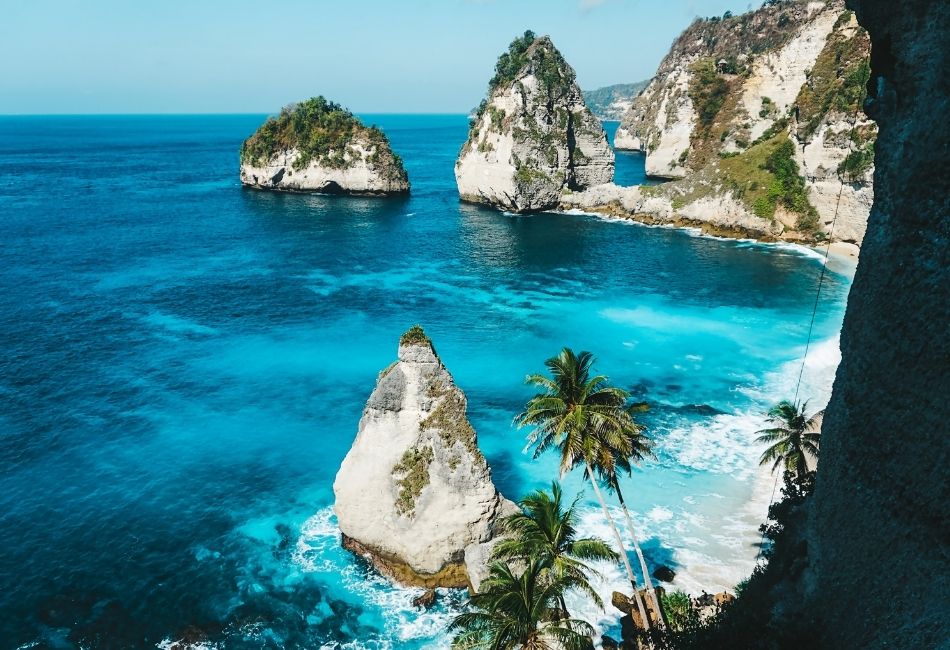
Dry Season: April to October
The Bali dry season broadly runs from April to October. Rainfall generally decreases, humidity becomes easier to manage and the period is better suited to beaches, hiking and outdoor touring, although tropical showers can still occur.
May, June and September are the months we would look at first because they sit outside the most concentrated July–August visitor period. If beach time, a private yacht day, sunrise trekking and outdoor dining all matter, this is the easier part of the year around which to build the itinerary.
Wet Season: November to March
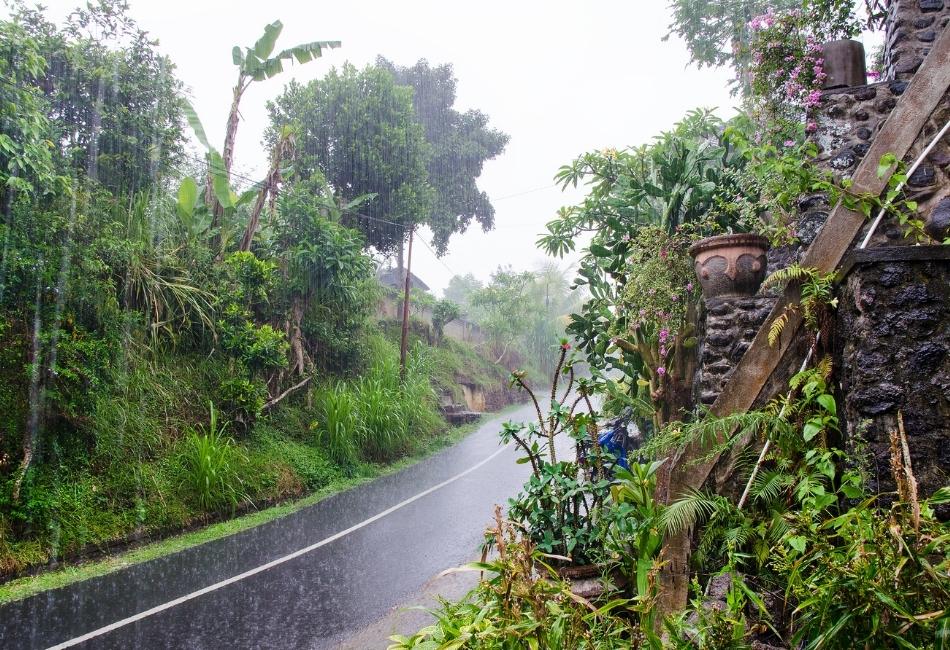
The Bali rainy season runs broadly from November through March. Rain and humidity increase, but “wet season” should not be read as a promise of continuous rain from breakfast to dinner; tropical downpours can be intense while leaving usable periods elsewhere in the day.
We would design these trips differently. Put weather-sensitive activities earlier, avoid building every day around long outdoor transfers, and deliberately preserve spa, dining, cultural and resort time that still works if an afternoon storm arrives.
Why One Forecast Does Not Describe the Whole Island
Bali has coast, jungle and volcanic highlands within a relatively compact island. Indonesia’s official climate guidance notes that higher elevations are cooler than coastal plains, and local weather can differ enough that a forecast for southern Bali should not be treated as a precise guide to a dawn at Mount Batur or a day around Munduk.
This matters when planning. A traveller splitting time between Uluwatu, Ubud and Kintamani should pack and schedule for three different types of day rather than imagining one uniform tropical-beach climate.
Bali Weather by Month: What Each Period Is Really Good For
This Bali weather by month planner is less about predicting an exact afternoon months in advance and more about understanding the likely character of your trip.
| Month | What We Would Choose It For | What to Keep in Mind |
| January | Wellness, culture, villas, lush landscapes | One of the wetter periods; outdoor days need flexibility |
| February | Quieter stays, spa and slow Ubud itineraries | Humid and wet; less suitable for a trip dominated by beaches |
| March | Culture, green landscapes, potentially Nyepi | Check Nyepi dates before booking flights |
| April | Transition into drier weather, mixed itineraries | Easter periods can increase visitor numbers |
| May | One of our strongest all-round choices | Still not guaranteed rain-free |
| June | Beaches, hiking, family journeys before peak pressure | Demand begins to rise |
| July | Reliable outdoor programmes and school-holiday travel | Busy roads, attractions and hotels |
| August | Peak dry weather, beach and active trips | Among the busiest periods; book preferred stays early |
| September | Excellent overall balance | Some high-season demand may linger early in the month |
| October | Shoulder-season couples and mixed itineraries | Rain becomes more likely as the month progresses |
| November | Quieter travel, culture, wellness and value | Wetter conditions return |
| December | Festive travel and resort stays | Wet season and Christmas/New Year peak demand |
The most misleading assumption is that low season and rainy season always mean “cheap and empty”. Late December is the obvious exception: rainfall increases at the same time that Christmas and New Year create another demand peak.
Best Time for Different Types of Bali Trips
Couples and Honeymoons
For couples, we would favour May, June, September or early October. Condé Nast Traveler’s specialists similarly identify the shoulder periods around April–May and September–October as a strong balance between weather and lower visitor pressure.
The value is not simply paying less. A quieter resort, better villa selection and more freedom around sunset dining or a private day on the coast can matter more to a honeymoon than squeezing out the smallest possible chance of rain.

Families and Multigenerational Trips
June through August offers the most straightforward weather for families whose plans revolve around pools, beaches and outdoor activities. Hilton likewise positions the June–August period as particularly practical for family trips.
If your dates are flexible, we would move towards June or September rather than automatically choosing late July. If school holidays fix your dates, keep them—we would solve the crowd issue through hotel location, private transport, earlier departures and fewer overfilled sightseeing days rather than choosing a less suitable school term.
Beaches, Sailing and Outdoor Days
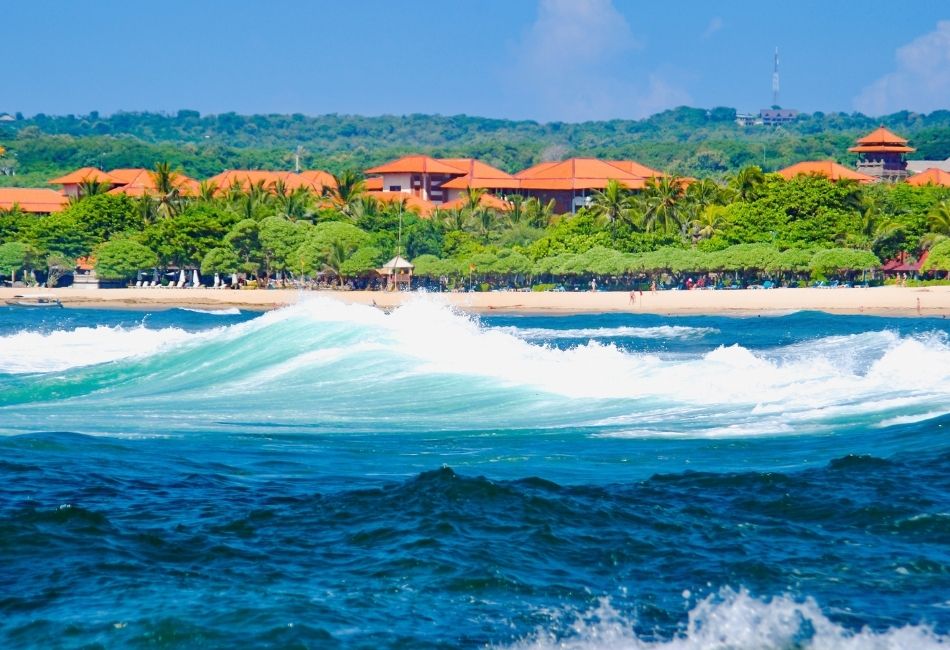
May through September is the window we would favour when the trip depends heavily on beaches, sailing, outdoor dining and several consecutive weather-sensitive days. Intrepid similarly identifies May–September as particularly suitable for beach activities, with dry-season conditions also favouring snorkelling and diving.
For a broader luxury Bali travel itinerary, however, we would not build every day around the coast. Ubud, cultural sites, wellness and highland experiences give the journey enough variety that one imperfect beach afternoon does not diminish the trip.
Hiking, Waterfalls and Active Travel
For Mount Batur and other trail-based experiences, the drier months generally make planning easier because there is less mud and fewer weather-related interruptions. BaliTourUS and Intrepid both identify dry-season conditions as preferable for hiking and volcano activities.
Waterfalls present the opposite trade-off: wetter months can make cascades fuller and the surrounding vegetation greener, but trails and river approaches may also become more slippery. We would choose according to whether the waterfall is a photographic stop or a physically involved trek rather than simply chasing maximum water flow.
Wellness, Culture and Slower Journeys
The wet season becomes much more attractive when the journey is built around Ubud, spa time, culinary experiences, art and cultural visits rather than six consecutive beach days. November through March can therefore suit travellers who value a slower rhythm and are comfortable moving an outdoor activity when necessary.
This is where itinerary design matters more than the weather icon. A morning temple visit followed by lunch, a spa ritual and an evening dining experience can still make an excellent day even if rain arrives at three in the afternoon.

Cultural Dates Can Matter as Much as Weather
Before deciding when to go to Bali, check Nyepi. The Balinese Day of Silence falls according to the Saka calendar, usually around March or April, and the operational impact is significant: the airport and transport close for 24 hours, businesses shut and visitors are expected to remain within their accommodation.
We would not automatically avoid Nyepi. For some travellers, experiencing the island’s profound stillness is meaningful; for others, losing a travel day or being unable to arrive or depart makes the date impractical.
Other Balinese ceremonies follow calendars that do not align neatly with the Gregorian year. If a particular festival or temple ceremony is part of the reason you are travelling, confirm its dates before fixing flights rather than relying on last year’s calendar.
Plan Your Bali Journey Around the Right Season With LuxeIndonesia
The best time to visit Bali is ultimately the period that allows the experiences you care about to work together comfortably. At LuxeIndonesia Travel, our team can design the route around your dates rather than forcing your dates around a generic itinerary—choosing the right coast, highland stays, private transport and amount of outdoor activity for that particular season.
- The Luxe Archipelago Journey: A 19-day journey that moves through West Bali, Jatiluwih, Ubud and Nusa Dua before continuing to Komodo and Lombok, making it relevant for travellers who want beaches, culture and nature balanced across different landscapes.
- Tranquillity and Tradition: Bali to Java Retreat: A 15-day itinerary with Bali’s volcanic highlands, Kintamani and Ubud before continuing to Java, suited to travellers who want culture and inland landscapes to matter as much as beach weather.
- Indonesia Elegance Escapade: A Journey in Luxury: A 17-day Indonesia journey combining Ubud, rice terraces, Mount Batur and waterfalls before continuing to Komodo and Sumba, giving active travellers a broader route where seasonal conditions genuinely matter.
Frequently Asked Questions
What Is the Best Time to Visit Bali Overall?
For most travellers, May, June and September provide the strongest balance between relatively dry conditions and lower peak-season pressure. July and August can offer more dependable dry-season weather but generally bring more visitors.
Is Bali Worth Visiting During the Rainy Season?
Yes, provided the trip does not depend almost entirely on beaches and long outdoor days. We would favour wellness, Ubud, dining, temples, cooking and flexible private touring, with weather-sensitive activities placed earlier where practical.
Is July or August Better Than May or September?
For pure weather reliability, July and August have the advantage. For overall trip quality, we often prefer May, June or September because the balance between outdoor conditions and visitor pressure is more favourable.
Which Months Should Families Choose?
June through August is straightforward for school-holiday travel and outdoor activities. Families with flexibility should also consider June or September to retain good seasonal conditions while reducing some peak-period pressure.
Should I Avoid Bali During Nyepi?
Not necessarily, but you must plan around it. Flights and transport stop for 24 hours, visitors remain at their accommodation and normal sightseeing is suspended.